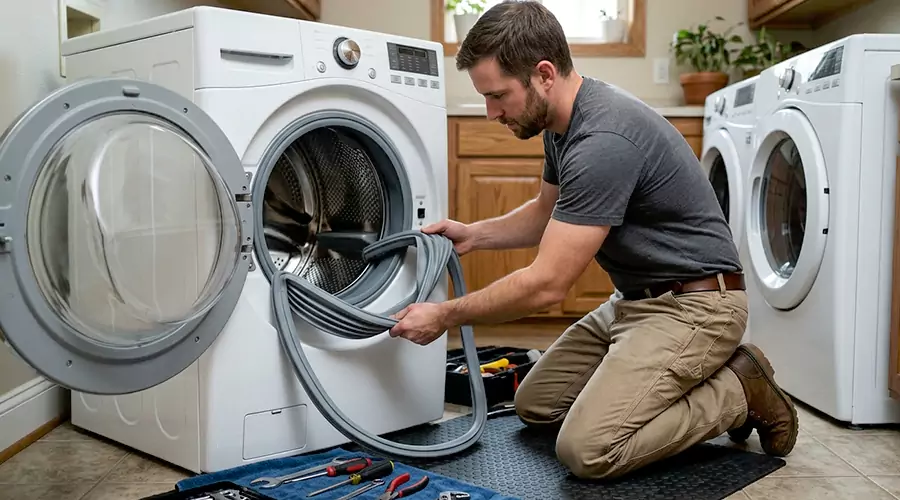
A washing machine works hard every week to clean clothes, remove stains, and keep laundry fresh. When it starts failing, small warning signs can quickly turn into flooded floors, damaged clothing, higher energy use, plus expensive repairs.
Washing machine repair helps homeowners fix leaks, noise, drainage, spinning, shaking, plus belt issues before the unit stops completely. Knowing the early signs of failure can help you call for service at the right time.
Why Washer Problems Need Fast Attention?
Many homeowners delay washer repair because the appliance still runs. That delay can make the problem worse when the unit struggles to handle normal loads.
Common washing machine problems often begin with leaks, strange sounds, poor drainage, shaking, or failure to spin. These issues can affect clothing cleanliness, utility costs, plus the long-term condition of the appliance.
Washing Machine Leaking
A washing machine leaking problem should never be ignored because water can damage flooring and create mold risks. Puddles during cycles, wet floors near the machine, or drips from the bottom can all point to serious trouble that may require professional washing machine repair.
A washer leaking water issue may come from a washing machine hose leak, loose connections, damaged seals, or a cracked tub. A technician can test the system safely before the problem leads to complete failure.
Washing Machine Not Draining
A washing machine not draining situation can create stress because standing water leaves clothes soaked and dirty. Homeowners should check the drain hose, filter, plus plug before assuming the unit has failed.
If basic checks do not restore drainage, service should be scheduled quickly. Internal parts like the washer pump problem need proper testing from a trained expert.
Strange Washing Machine Noises
A washing machine making noise can signal trouble with the drum, motor, pump, or internal moving parts. Grinding, banging, squealing, or thumping that sounds different from normal operation deserves attention.
Some sounds may be minor, but repeated loud thumps can point to unbalanced loads or worn bearings. A service visit can help identify whether the noise comes from a washing machine belt problem, loose parts, or failing components.
Washer Not Spinning Properly
A washing machine not spinning can leave clothes dripping wet at the end of the cycle. This often happens with washer not spinning due to unbalanced loads, lid switch failure, or drive system trouble.
A washer problems like this forces longer drying times and increases energy use. Professional diagnosis prevents ongoing frustration with incomplete cycles.
Washing Machine Shaking and Vibrating
A washing machine shaking during spin cycles can damage floors and nearby walls. Excessive movement often stems from uneven leveling, worn shock absorbers, or loose drum parts.
Homeowners can check leveling feet first. Persistent shaking requires expert inspection to avoid further mechanical damage.
Washer Overflowing
A washer overflowing creates immediate messes and potential water damage. This may result from a faulty water level sensor, clogged drain, or inlet valve issues.
Quick action stops water from spreading. An appliance repair technician can pinpoint the exact cause and restore proper function.
Washing Machine Drain Problem
A washing machine drain problem frequently pairs with slow drainage or complete backups. Debris, lint, or kinked hoses commonly restrict flow and trigger repeated errors.
Regular filter cleaning helps prevent buildup. When clogs persist, expert washer troubleshooting delivers lasting solutions.
Washing Machine Troubleshooting & Action Guide
| Symptom | Potential Cause | Recommended Action |
|---|---|---|
| Leaking Water | Loose hoses, worn seals, or cracked tub. | Shut off water supply immediately; clean standing water; call for service. |
| Not Draining | Clogged filter, blocked drain hose, or failed pump. | Check filter and hose for debris; do not force further cycles. |
| Not Spinning | Unbalanced load, lid switch failure, or drive issue. | Redistribute clothes; check lid switch; call for service if it persists. |
| Overflowing | Faulty water level sensor or inlet valve. | Turn off water supply; unplug the machine; do not use until repaired. |
Basic Washer Troubleshooting
Safe washer troubleshooting can help rule out simple causes before service. Check the following options carefully:
- Hoses and water supply lines
- Drain filters and traps
- Load balance within the drum
- Leveling feet adjustment
- Visible connections and external wiring
Homeowners should avoid opening sealed panels or touching electrical parts. If the washer keeps failing after basic checks, professional diagnosis is the safer choice.
When Emergency Service Makes Sense?
Emergency situations arise when the machine floods, leaks heavily, makes burning smells, or causes electrical concerns. Fast action can reduce water damage plus protect your home.
Drainage failure or constant leaking should be treated quickly. A timely service call can help protect floors, walls, plus appliance parts.
Why Professional Repair Matters?
Reliable washing machine repair services include inspection, testing, diagnosis, repair options, plus final performance checks. A proper service visit should identify the cause instead of guessing.
Skilled professional washer repair matters because washers use motors, pumps, belts, hoses, sensors, plus electronic controls. Trained service can help prevent repeat issues.
Home Washing Machine Service
Quality home washing machine repair gives homeowners convenient service without moving a heavy appliance. A technician can check the outlet, water supply, drain line, leveling, plus installation area.
Trusted residential washer repair also helps protect the appliances families rely on daily. Service inside the home allows the technician to inspect real operating conditions.
Technician Support
An experienced appliance repair technician can test the washer, explain the issue, then recommend the best repair option. This helps homeowners understand whether the problem is minor, moderate, or serious.
A technician may also provide maintenance advice after the repair. Cleaning filters, inspecting hoses, balancing loads, plus monitoring cycles can support better performance.
Finding Local Repair Help
Searching for washing machine repair near me can help homeowners find nearby service when leaks or noise appear. Local service proves helpful when water damage or urgent repairs require a faster response.
Before scheduling, homeowners should look for clear communication, experience with washer systems, plus practical repair guidance. A good repair provider should explain the issue, estimate, parts, plus expected outcome.
Final Thoughts
A failing washing machine usually shows warning signs before it stops completely. Leaks, noise, drainage issues, shaking, plus spinning failures all deserve attention.
Fast professional service can protect your home, reduce stress, plus help avoid larger repair costs. If basic checks do not solve the problem, call a qualified technician before the washer fails completely.